
My next-door neighbor mentioned to my wife that he had a 3D printer. I’d known him for a couple of years and, embarrassingly, still didn’t know his name.
So I went over with my laptop, we finally exchanged names, and we got to printing.
Starting with a missing latch
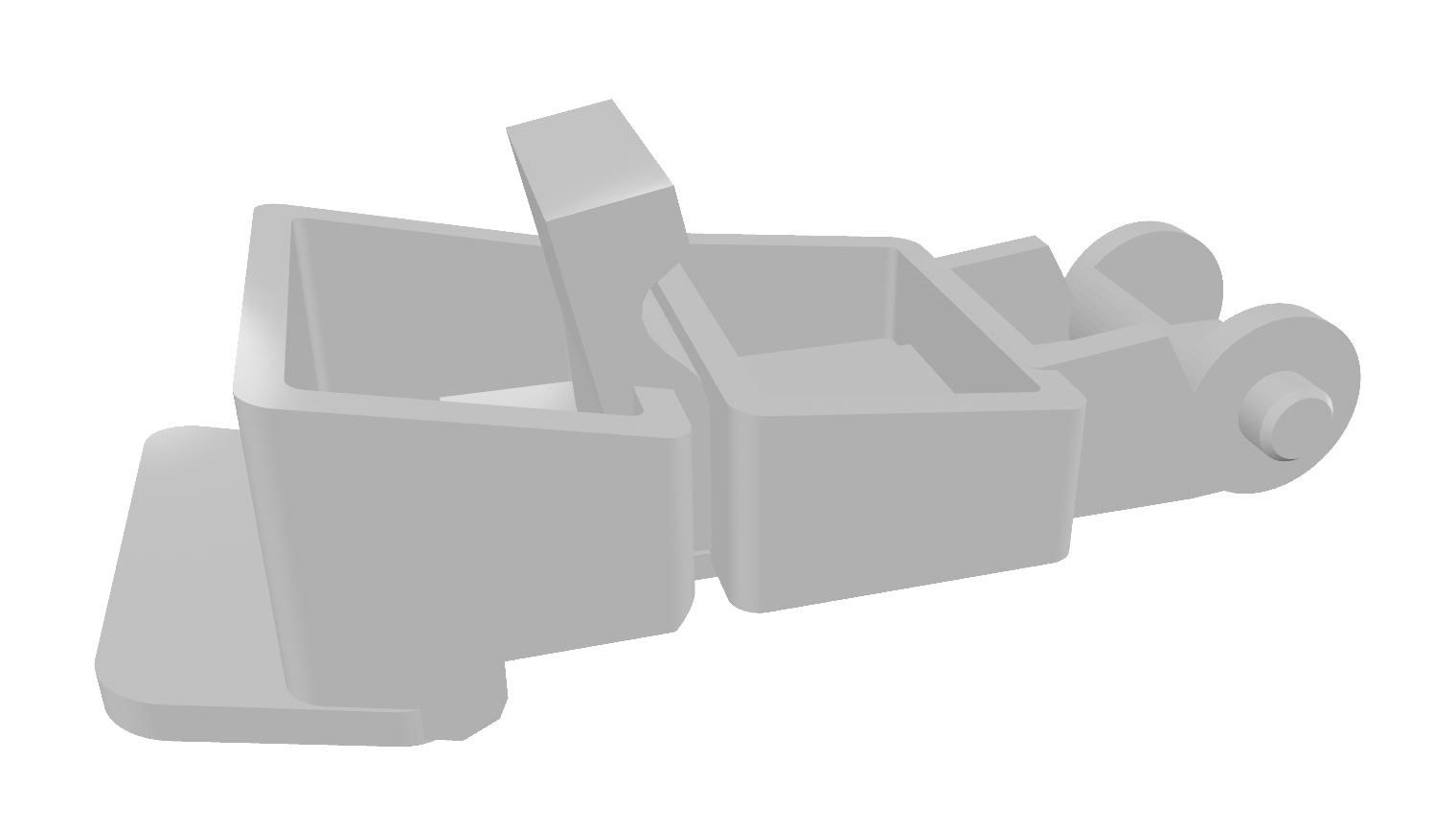
The Jeep was missing a small plastic latch at the front, which seemed like a good place to start. I took several reference photos with a tape measure alongside the part so we had some dimensions to work from.
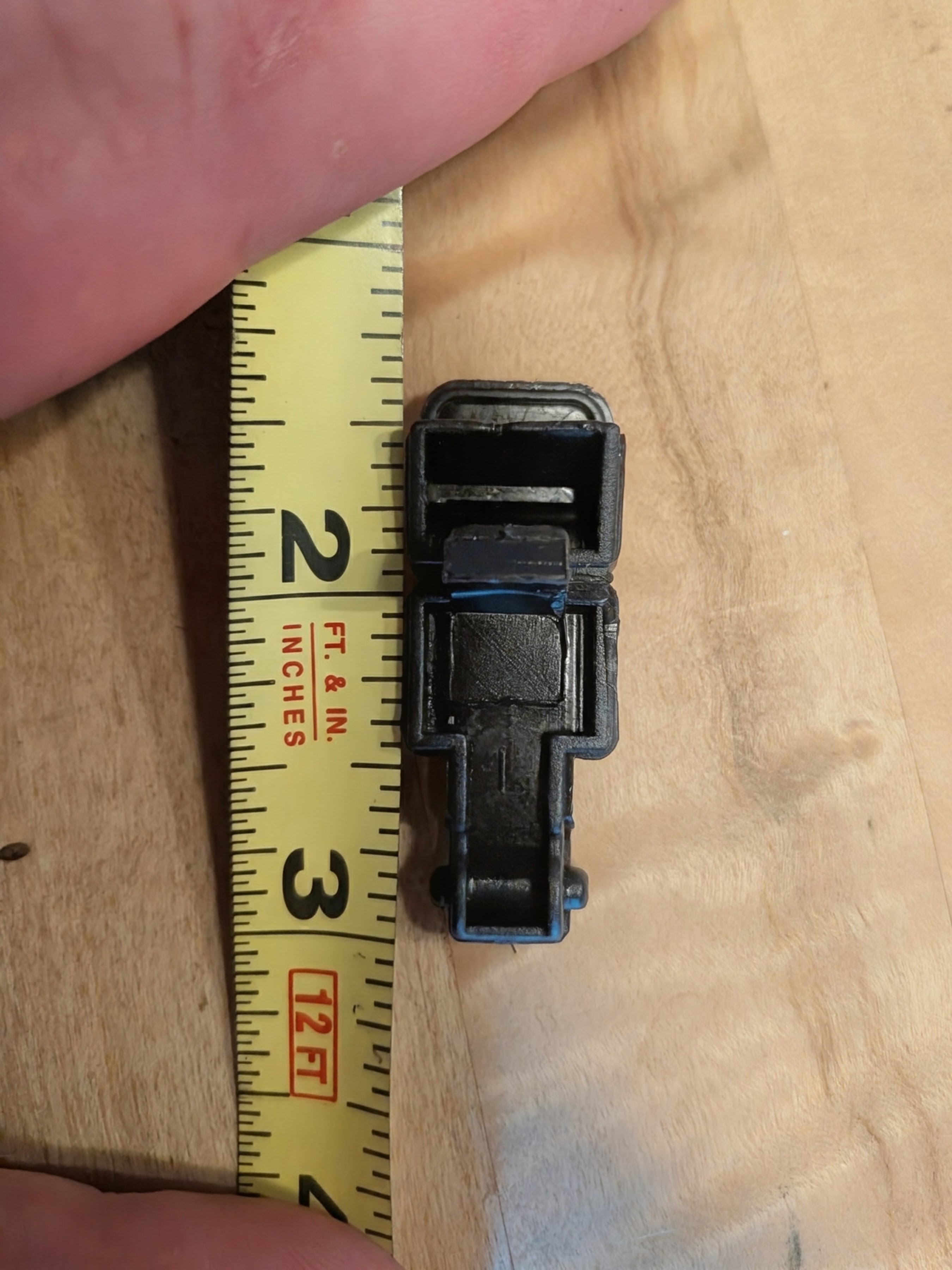
ChatGPT’s Astra model helped me work through the dimensions. It would ask for a measurement from a particular angle, I’d send it over, and it would refine the 3D model.
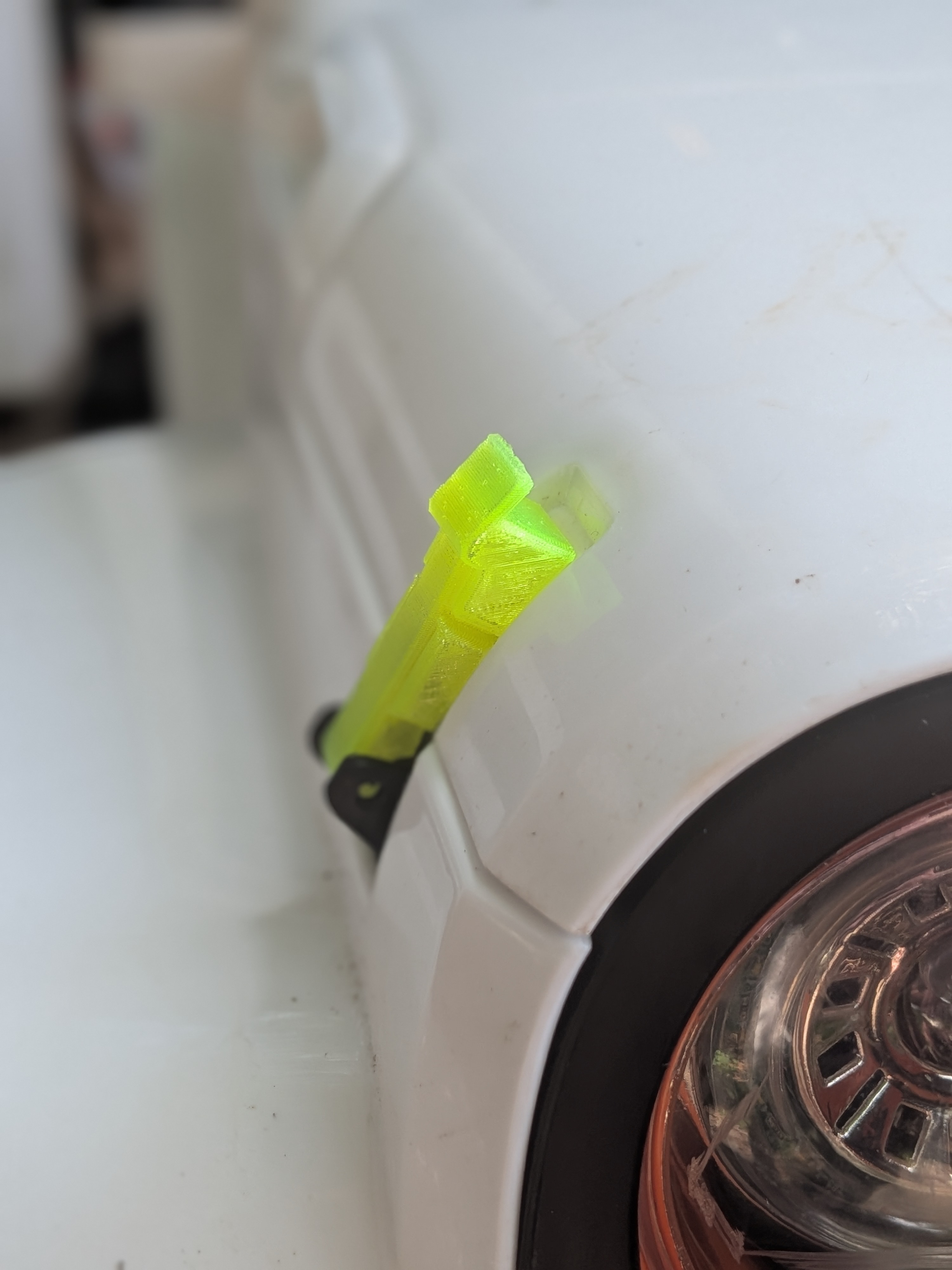
About three hours of printing later, we had a replacement. It came out a little larger than intended, but it works. For a first print, I’ll take it.
Next up: mounting the LiDAR
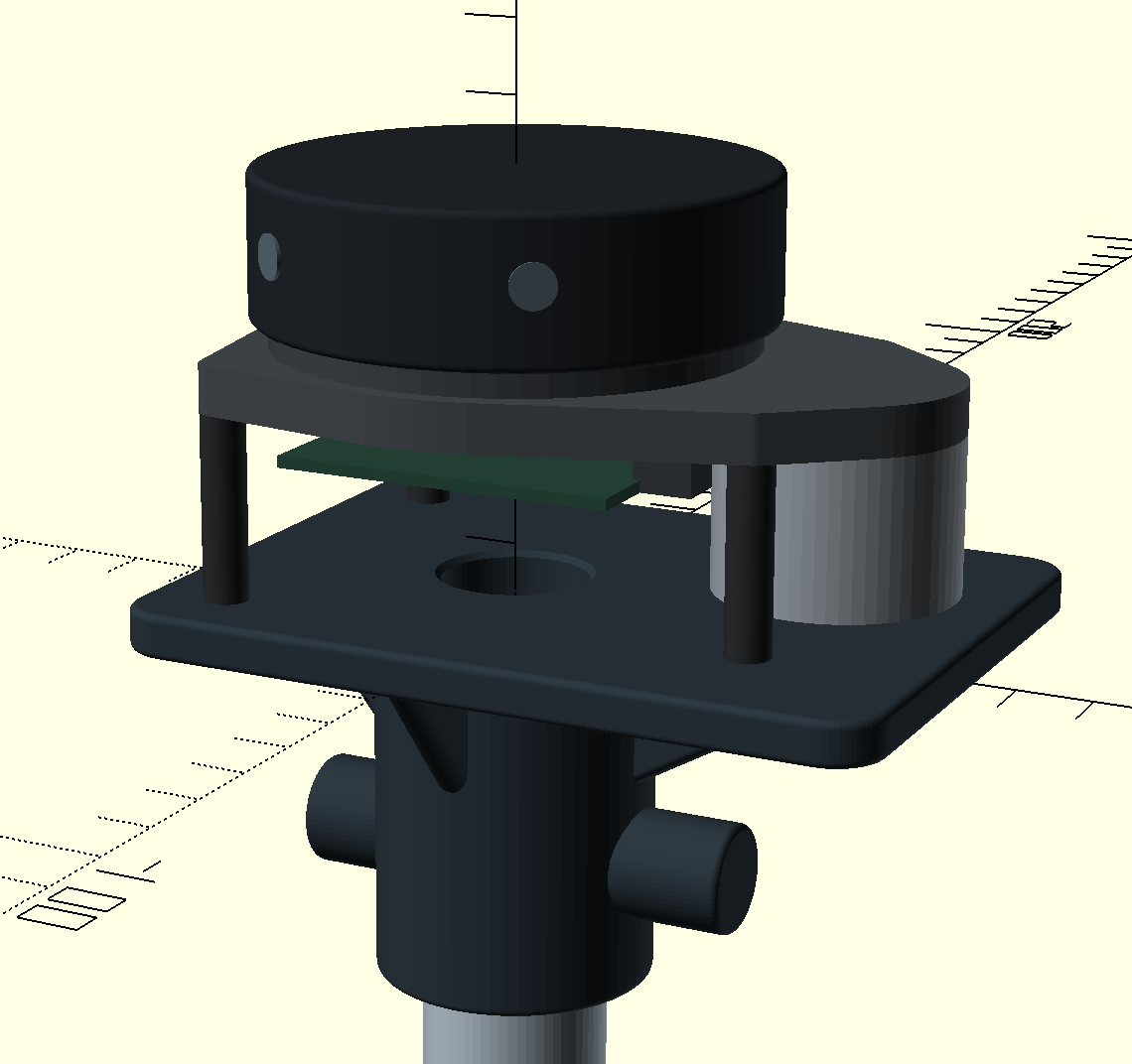
Next, we’re working on the fittings that will hold the LiDAR above the Jeep. The plan is to mount a one-inch metal pipe at the back of the vehicle.
This first fitting will pass through a hole in the body, with another piece bolted underneath to hold it in place.
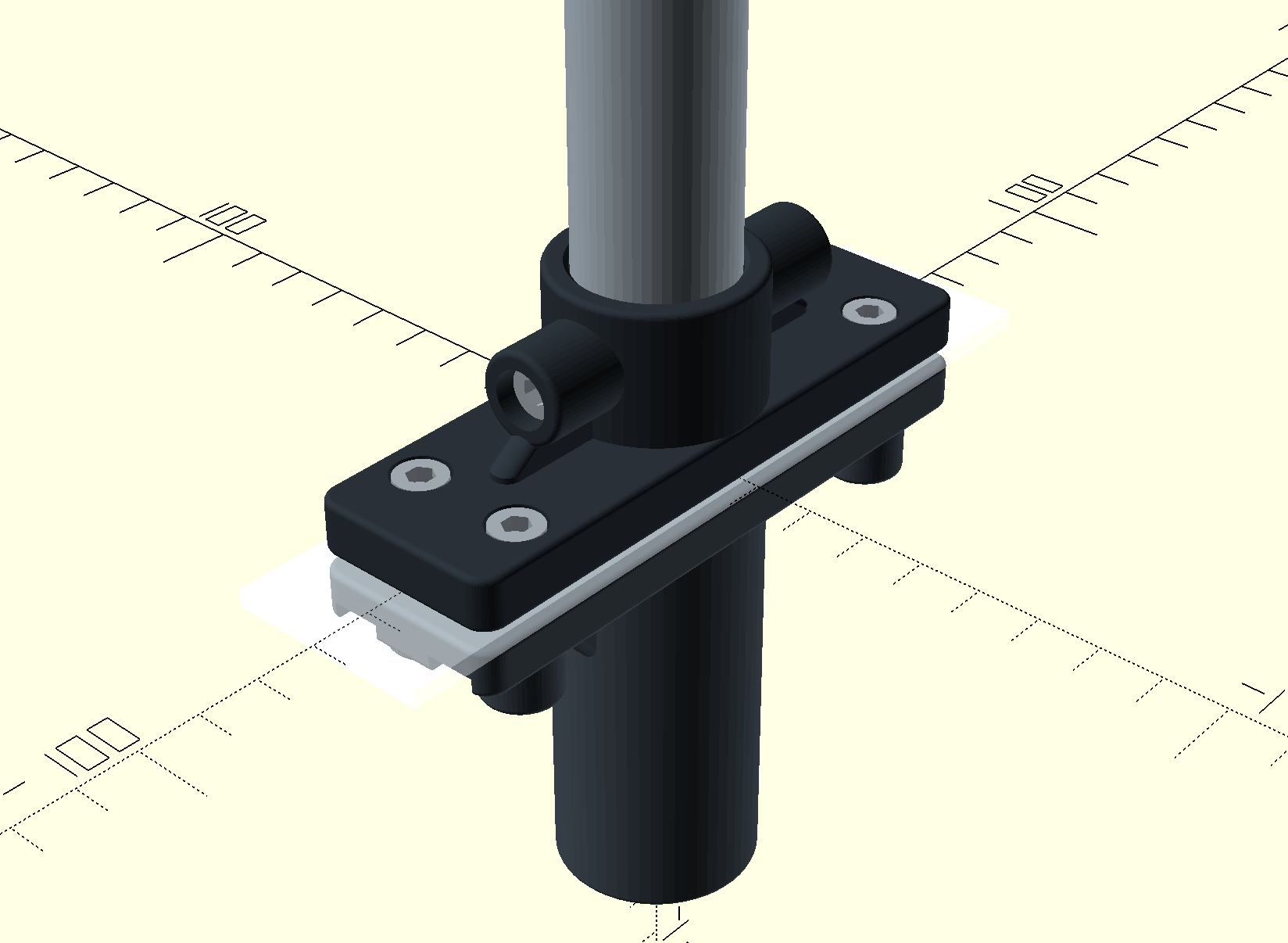
The pipe will slide into that fitting. At the top, another printed piece will provide a mounting point for the LiDAR.
One part at a time
This is the part of SCOUT I’m enjoying: learning enough to turn an idea into something useful, with AI helping me work through the unfamiliar bits. There’s a long way to go before the Jeep is the family rover I have in mind, but getting one small part to work feels like a good start.
And as a bonus, I finally know my neighbor’s name.
Thanks for following the build.
More from the journal ↗